Motherhood hopes shaken by low fertility and risk
After Ever HappyMotherhood hopes shaken by low fertility and risk is a recurring concern in Tessa’s story, moving from an alarming medical possibility to a difficult diagnosis and then into the couple’s prolonged efforts to conceive. Its force comes from the collision between a bodily condition Tessa cannot control and a desire for motherhood she has carried since childhood. The narrative treats fertility not simply as a romantic obstacle but as a personal loss with medical, emotional, and relational consequences.
First Warning and Medical Diagnosis
Tessa first raises the possibility of infertility while confiding in Kimberly about the pressures surrounding Hardin. She explains that she went to a doctor for birth control, where a quick scan of her cervix revealed that it was shorter than average. The doctor wanted further testing and had mentioned infertility. The disclosure is difficult for Tessa to voice, and its arrival amid her worries about Hardin places two forms of distress side by side: fear for someone she loves and fear about what her own body may allow.
Kimberly responds by sharing that her own mother struggled for years to become pregnant. She and her husband tried fertility treatments and, as Kimberly puts it, everything one might find through an online search. Her mother eventually became pregnant, which Kimberly describes as the happiest day of her life. But Kimberly looks away, and Tessa suspects that she is either lying or withholding part of the story to spare her. The account offers companionship through shared experience, but not a simple promise that persistence guarantees a happy outcome.
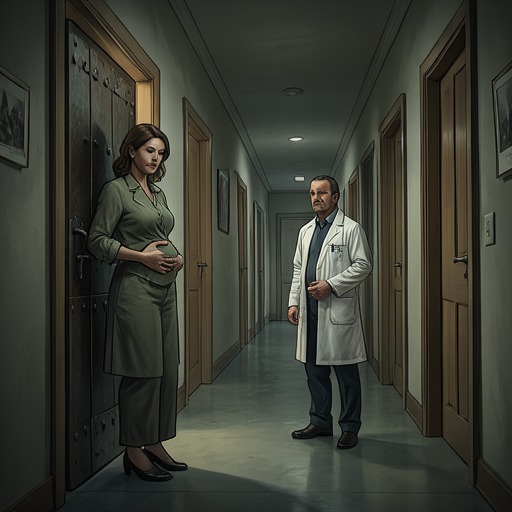
At a later examination, Dr. West explains that Tessa’s cervix is both very narrow and, from the images, very short. After a detailed explanation lasting ten minutes, he gives her the central prognosis: pregnancy is not impossible, but is highly unlikely. He also mentions adoption as an option. The distinction between impossibility and extreme improbability leaves a narrow opening, but it does not soften the diagnosis; Tessa already believes she knows what the doctor will conclude before he says it aloud.
The Meaning of the Loss to Tessa
On the drive back to Kimberly’s, Tessa’s frustration gathers around ordinary irritations, including congested traffic, road rage, rain, and loud music from passing cars. Beneath them is the harder thought that her body has betrayed her in an intimate and final way. She recalls Dr. West saying she was born this way, and connects the diagnosis to her mother, even while acknowledging that she cannot blame her mother for her cervix. Wanting someone or something to blame does not give her a cause she can hold responsible.
The diagnosis also alters how Tessa imagines her future with Hardin. She thinks of having no Hardin and no babies as losses that seem to belong together, and recognizes that she had allowed herself to pretend she might have both. Her response is not only grief over a medical risk; it is grief for a future she had treated as available without having to question it. The moment she spends alone in the shower, watching water circle the drain, gives that shock a physical rhythm without resolving it.
Tessa later makes clear how longstanding the wish is. She says she had wanted to be a mother for as long as she could remember and had played with dolls like other girls, perhaps even more intensely. Motherhood had mattered deeply to her, and she had never questioned whether she would be able to become one. Her words establish that the diagnosis has not created the desire; it has overturned an assumption she had lived with since childhood.
Tessa and Hardin Confront the Diagnosis
When Tessa says she cannot have a child, Hardin answers that they can. His insistence expresses hope and togetherness, but it does not erase the difference between their experiences of the news. Tessa tells him that he did not have a lifelong dream crushed: he had not wanted children until ten minutes earlier. She is not denying that he may feel loss. She tells him she wants him to be open about his feelings, while also asking him not to make his new grief equivalent to the dream she has carried for years.
That distinction makes the exchange more complicated than reassurance against despair. Tessa is grieving and does not have the energy to worry that Hardin will blame her; at the same time, she does not want his reaction to become another burden she must manage. Hardin, for his part, has to hear her account without interrupting. After she asks him to let her speak, he nods and stays silent. The conversation establishes that support requires listening to the particular shape of her loss, not only insisting that they face it as a couple.
Trying to Conceive and Pregnancy Loss
Two years later, Tessa and Hardin have been trying to conceive for more than a year, aware that the odds are against them but continuing to hope. Their efforts involve fertility appointments and ovulation schedules, alongside Tessa’s attempts at folk remedies and a bittersweet, chunky concoction she says worked for a friend’s husband. The accumulated measures show hope becoming practical and repetitive: appointments, timing, remedies, and continued attempts, rather than a single reassuring intervention.
Their efforts unfold alongside other people’s news. Landon and his wife are expecting a baby girl in three months, and Tessa and Hardin are the godparents of Addelyn Rose. Tessa wipes away tears while helping plan the baby shower and helps paint the nursery; Hardin pretends not to feel sad for them as they contribute to preparations for their friends’ child. Their participation is loving, but the contrast makes their own unfulfilled hope visible. The nursery they paint is not theirs, and celebration does not prevent grief.
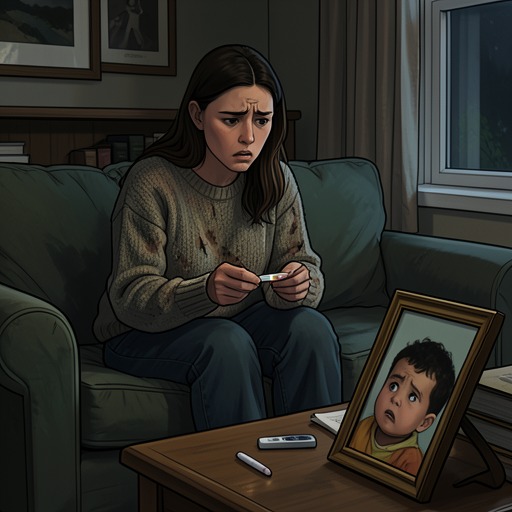
Eventually, Tessa becomes pregnant, but the pregnancy ends in loss. After the doctor’s tone and Tessa’s expression confirm their fear, Hardin carries her to the car and drives her to the hospital. Thirty minutes later, they learn that she has lost the baby. Tessa cries and apologizes after the nurse leaves them alone; Hardin tells her that she has nothing to be sorry for and repeats the reassurance while gently pushing her hair from her face. The scene gives the earlier diagnosis a new, painful consequence: the possibility of pregnancy had remained, but possibility did not protect them from loss.
Significance
The arc refuses a neat equation between wanting motherhood and being able to achieve it. Tessa’s desire is specific and longstanding, while the medical prognosis remains uncertain enough to sustain hope and severe enough to reshape her expectations. Her experience is not reduced to a problem Hardin can solve by believing in their future: his support matters, but it cannot undo the diagnosis, settle the odds, or make their losses identical.
The recurring movement from diagnosis to effort to grief also makes fertility a shared relationship experience without making it an equal one. Hardin takes part in appointments, schedules, remedies, and the later hospital journey, but Tessa’s own history defines the depth and meaning of the threatened dream. Their story places intimate hope beside medical limits, and companionship beside an outcome neither hope nor care can guarantee.